
In Orlando, spring doesn’t just mean blooming plants and longer days. It’s also the start of long stretches of sun and rising humidity. With temperatures climbing and summer storms on the way, the roof over your home has more work to do than just keeping out the rain. It helps manage heat too.
That’s why Orlando residential roofing can’t be purely about looks or structure. The way a roof is built and what it’s built from can make a big difference in how comfortable your home feels inside. Some roof features actually help keep heat out, which means less work for your AC and more comfort for your family. Small choices up top can change how hot it feels indoors when the weather starts to heat up.
Using Reflective Roofing Materials
Not every roof surface handles sunlight the same way. Some soak it up and pass the heat to the rooms below, while others bounce it back before it settles in.
- Light-colored roofing, like white or tan tile, bounces sunlight away from your home. That helps keep attic spaces and ceilings from getting too warm during the hottest parts of the day.
- Metal roofing is another strong option. Some are made with reflective coatings or have finishes from the factory that help send solar rays off the roof instead of holding onto them.
- In a warm place like Central Florida, that reflection comes in handy. When the roof doesn’t hold onto heat, it’s easier to keep living spaces cool.
Good roofing materials are like shade on a hot day. When we reflect heat instead of gathering it, the whole house works better. Choosing the right surface helps attic spaces stay cooler and keeps indoor temperatures more steady from morning to night.
Roof Design Choices That Cool Naturally
It’s not just the material that matters, how the roof is shaped plays a part too. The right angles and features help keep hot air moving and stop it from getting trapped above the house.
- Roofs with a higher pitch or steeper angle can help move air more freely. When air flows well, heat doesn’t settle.
- Roofs with wide overhangs, or long eaves, block the sun from beating directly on windows and walls. That simple shadow line can make a home feel cooler inside and protect parts of the house that would normally heat up fast.
- A clean, sloped design also helps rain slide off quickly, which keeps the surface dry and free of hot patches caused by standing water.
These small details in design make a big difference when it’s hot and sunny. They give us a way to cool things down without using extra equipment or energy. It’s all about using common sense to work with the weather instead of against it.
Proper Roof Ventilation for Hot Weather
Sunlight on a roof is intense during Florida spring and summer, but a lot of heat comes from inside the home too. Warm air rises, and if it has nowhere to go, it just builds up under the roof. That extra heat can cause more wear and make things uncomfortable indoors.
- Good ventilation, like ridge vents or special vent tiles, lets that hot air escape.
- When warm air moves out, it lowers attic temperatures and eases strain on the building from the inside out.
- It also helps with moisture. Hot, trapped air holds water, and that can lead to more problems over time if it’s not allowed to leave.
Built-in vent systems work quietly in the background, and when designed right, they protect both the roof and the home underneath. In warm, sticky months, that airflow keeps your attic and ceiling space from behaving like a closed-up oven. We always think ahead when it comes to how air will move around once the roof is in place.
Choosing the Right Roof Type for Orlando Homes
Living in Florida means prepping for both hot days and heavy rains, and roofing should handle both. That’s why tile and metal stay popular choices in Orlando.
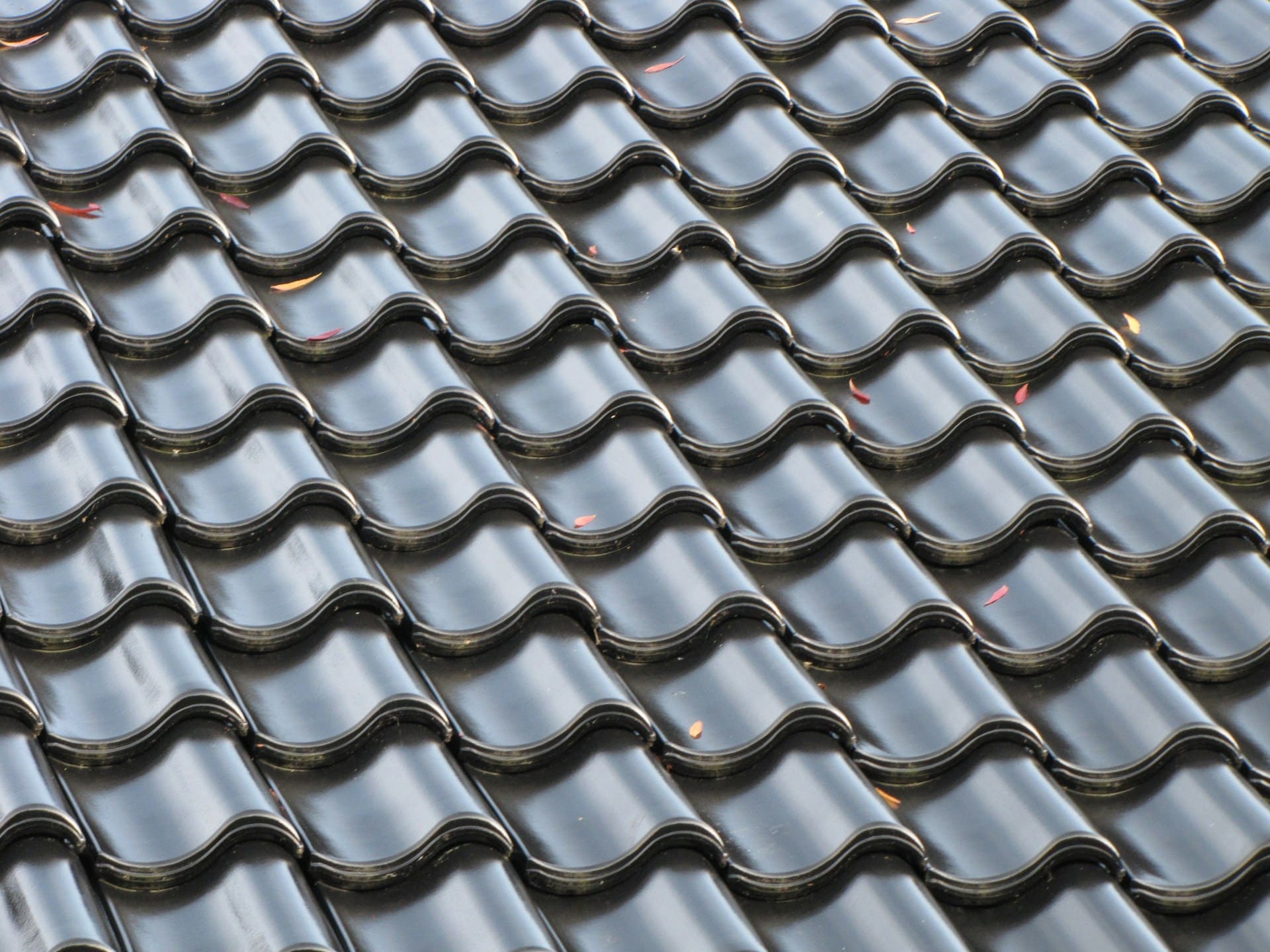
- Tile roofs, whether made from concrete or clay, do well with heat. They’re durable and naturally shape air channels beneath the surface, which helps air move through and cool things down.
- Metal roofs are strong in storms and still reflect heat when sunny skies return. When they’re finished with protective layers, they avoid absorbing too much warmth and wash clean after rain.
- Both tile and metal deal well with quick weather changes. They don’t soak in heat like other materials, and they dry fast once a storm passes.
For Orlando residential roofing, picking a material that stays cool and holds strong through wind and rain is part of the plan. When we think about what spring and summer bring, we focus on what will last through it all while helping cool down the house at the same time.
Enjoy More Shade From the Top Down
Roofing might not be the first thing that comes to mind when thinking about staying cool in warm months, but it plays a bigger role than most realize. With the right approach, reflective materials, smart design, solid airflow, and time-tested materials like tile or metal, your home can handle heat better from the very top.
Start Planning a Cooler Spring and Summer
Getting your roof ready for Florida’s hottest months starts with the right materials, shape, and airflow. We design every roof to hold strong through sun and storms while helping to keep indoor spaces cooler and more comfortable. With extensive experience in all kinds of Orlando residential roofing, especially systems built to last through Central Florida weather, Stratus Roofing is ready to help you plan for the seasons ahead. Call us today to schedule a visit.


